World War II · Veteran research and preservation
Veteran-owned business
Your family's World War II story, recovered and preserved.
Every veteran has a story worth knowing. We help families uncover what their World War II service member did—and preserve the letters, photos, and papers they left behind so future generations can know them too.
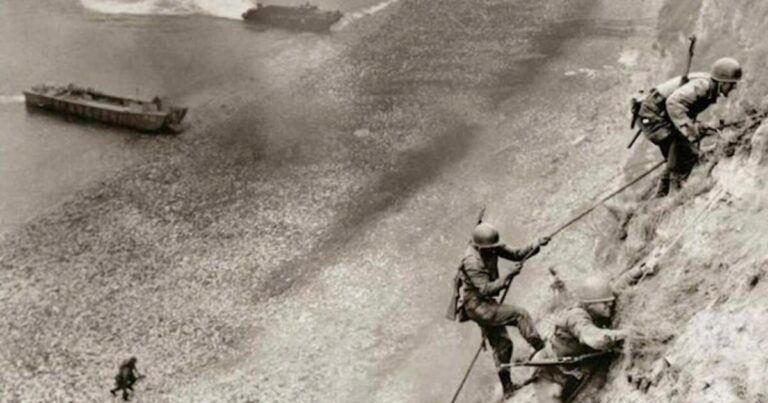
For the generation that served, 1941–1945
Over sixteen million Americans wore the uniform. We help families find the military record and ensure they're preserved for future generations.
-
 Army
Army
-
 Navy
Navy
-
 Marine Corps
-
 Army Air Forces
-
 Coast Guard
-
 Merchant Marine
Why this work matters
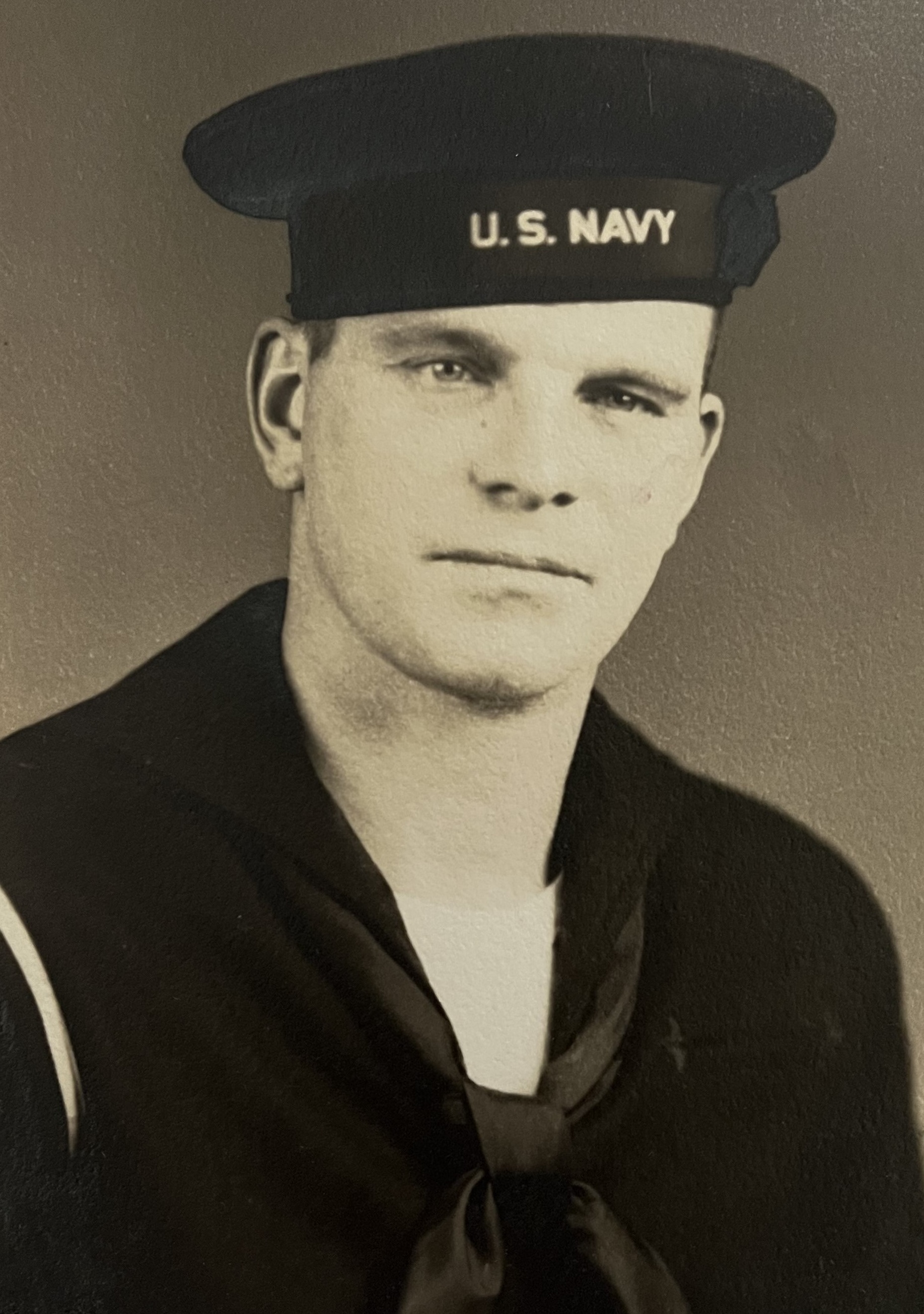
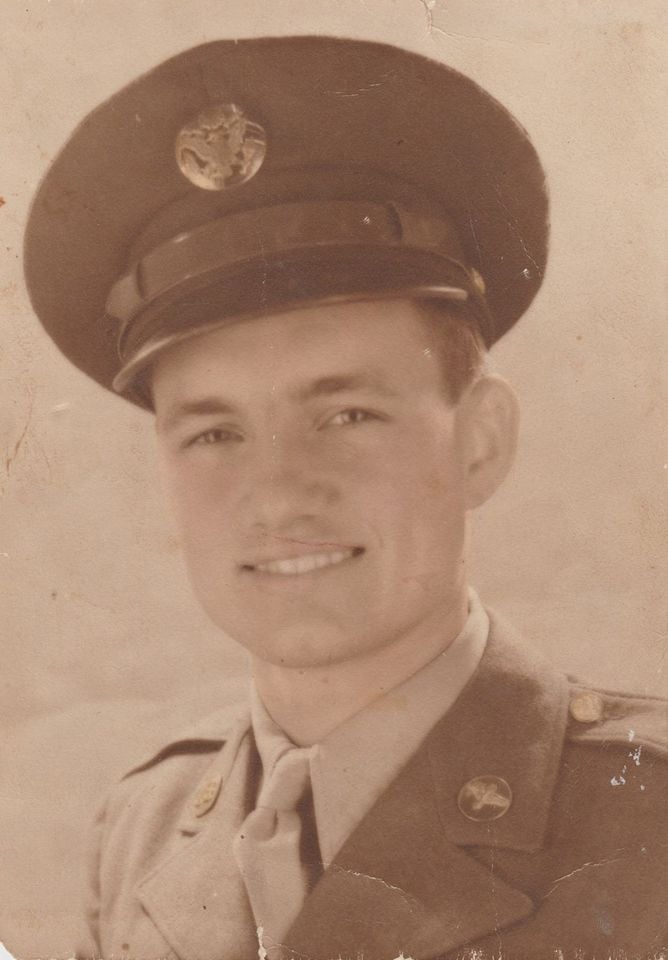
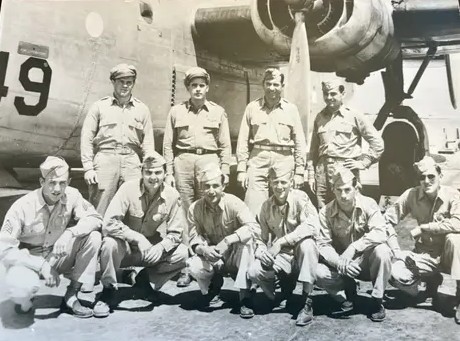
This work is personal to me. My great-grandfather and two great-uncles served in World War II. Their service shaped our family, but like so many others, the full story lived in scattered papers, medals in a drawer, and half-remembered stories at the kitchen table.
WW2 Heritage Workshop exists to help other families do what I wish we could do: connect with their veteran through verified history, not guesswork, and preserve what remains before humidity, time, or loss take the rest.
What we do
From the European and Pacific theaters to stateside training camps—we start with your sources, tell you clearly when records are missing, and keep your family's materials private.
-
You tell us what you have
Discharge papers, letters, photographs, medals, or an unopened box. Share any details you know about your veteran—branch, theater, dates if available.
-
We inventory and assess
We review condition, flag fragile items, and suggest what to digitize first. Your materials are handled with care. This is family history.
-
We research the military record
Unit assignments, campaigns, and awards—from NPRC, NARA, unit histories, deck logs, morning reports, and more. If a file was destroyed in the 1973 fire, we let you know and work from what's left.
-
We digitize and organize
Scans, finding aids, and a structured digital archive your family can keep, share with relatives, and hand down.
-
We draft the story for your review
A narrative based on sources—where they served, what the record shows, and what we can't verify. You approve before anything leaves your family.
What you'll receive
Deliverables depend on scope. We outline them in your quote.
Research report
Unit, timeline, campaigns, and awards with citations—what is confirmed and what is not.
Digital archive
Digitized papers and photos, organized with finding aids for your family.
Family narrative
An account you can share with relatives—facts first, written for those who never met your veteran.
Preservation guidance
Advice on storing what you keep at home, especially in humid climates.
Custom display cases available. Please inquire if interested.
Questions
What if St. Louis says the file was lost?
Many Army and Army Air Forces personnel files were damaged or destroyed in the 1973 NPRC fire. It happens often, but it's not a dead end. We rebuild what we can from unit records, morning reports, award orders, and other archives—and we tell you clearly what the record can and cannot support.
Will you fill in gaps if records are missing?
We don't invent details. We'd rather leave a gap than guess at a unit assignment or an award. Your veteran's service is enough.
Is our family's information public?
No. Client research stays private, separate from our public military history content on YouTube.
How long does research take?
We respond within two business days. Timing depends on your materials and the archives. Some projects move quickly from family papers alone. Federal record requests can take weeks or months. We give you a realistic schedule in your quote.
How much does it cost?
Every project is different. We send a written quote after understanding what you have and what you need. We scope it together.
Get in touch
Tell us about your veteran and what you have inherited. We respond within two business days.
Sam Okonkwo
Client Services
Start with intake
Tell us about your veteran, what you have, and what you hope to learn. The form takes about five minutes. You can upload photos and papers on the last step.
Begin client intakePrefer email? Write to ww2heritageworkshop@gmail.com.